Frozen pipes in Warsaw — prevention and what to do
How do you prevent frozen pipes in Warsaw in winter?
Frozen pipes in Warsaw happen when cold snaps hit unheated cupboards, balcony runs, or draughty flats — common in winter when outdoor lines or wall chases drop below freezing. Prevention: keep minimum heating on when away, open cabinet doors under external-wall sinks, and know your shut-off valves before trouble starts. If a tap goes dead in freezing weather, open the tap and thaw slowly with warm towels or a hair dryer — never use an open flame. Watch for splits when flow returns; shut off immediately at the first drip. Boiler lockouts after freeze may need a gas fitter. Document damage for insurance and notify admin if communal sections are involved. English-speaking help speeds coordination when you must explain urgency to landlords abroad — frequent in top-floor Bielany and Żoliborz flats with exposed risers.
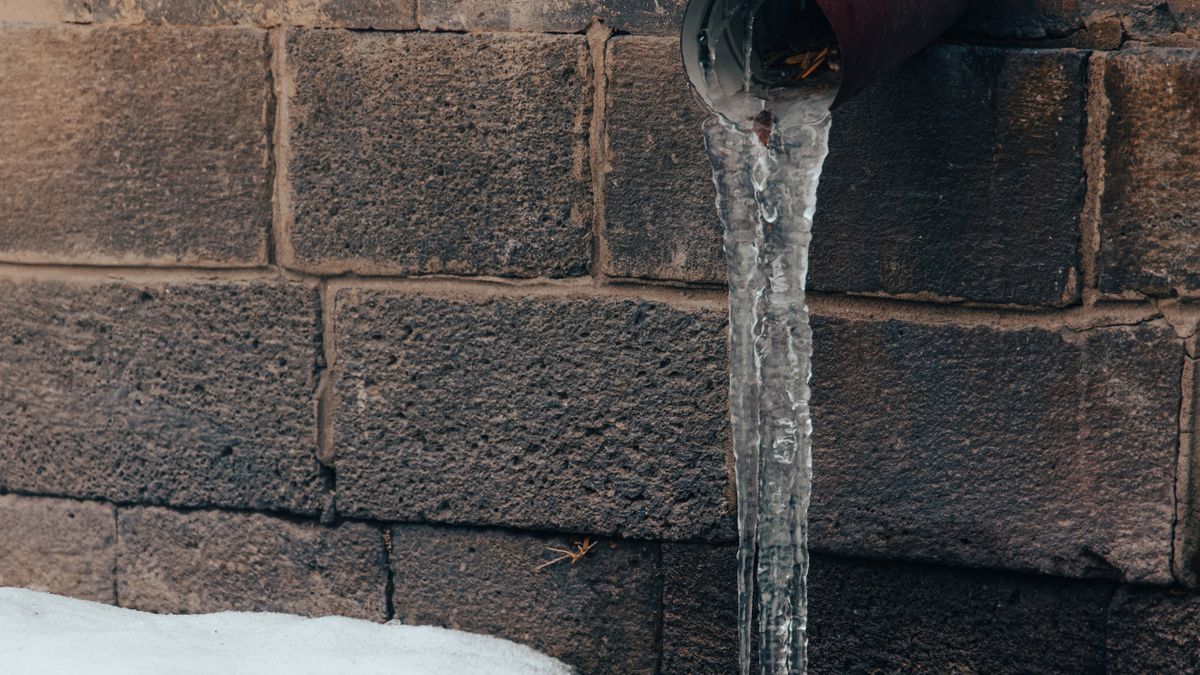
Warsaw winters regularly drop below -10°C. Pipes in unheated cupboards, balcony runs, and draughty Śródmieście flats can freeze — then split when they thaw. Prevention beats an emergency call-out.
Prevention before cold weather
- Leave cabinet doors open under sinks on external walls so warm air reaches pipes.
- Drip taps slightly during severe cold only if you know your building allows it — some admins discourage it; ask if unsure.
- Seal draughts around pipe entries from balconies.
- Know your shut-off valves before you need them — see leaking pipe guide.
- If away for days, don’t turn heating fully off — minimum 12–15°C is common advice for apartments.
Signs of a frozen pipe
- No water from one tap while others work
- Frost or bulging on visible pipework (balcony, garage box)
- Clanking when heat cycles on
Thawing — do this carefully
- Open the affected tap so expanding water has somewhere to go when flow returns.
- Warm gradually with a hair dryer or warm towels — not open flame or blowtorch.
- Start thawing nearest the tap, working toward the cold section.
- Never force valves with tools if stiff — they may snap.
After thaw — watch for leaks
Splits often show minutes after flow returns. Have towels ready and shut off at the first drip.
A hidden leak in a wall can damage the neighbour below — notify building contact if water spreads.
When to call a plumber
- No flow after careful thaw attempt
- Visible split or spray — see burst pipe after thaw
- Boiler lockout after freeze (error codes)
- You can’t locate the frozen section (common in older Śródmieście installations)
Request English-speaking plumbing help → with “frozen pipe” and your district.
Insurance and admin
Document damage with photos. Some building policies cover communal sections only — your flat’s branch may be your responsibility. English summaries help when forwarding to landlords abroad.
Related topics
- Low water pressure after partial freeze
- Finding English-speaking help
- Full services: plumber Warsaw
Bottom line
Frozen pipes in Warsaw are preventable with heat and airflow. Thaw slowly, watch for leaks, shut off fast, and get English-speaking help if flow doesn’t return or the boiler trips.
Common questions
At what temperature do pipes freeze in Warsaw?
Risk rises below -5°C for hours, especially in unheated voids, balconies, and garages — Warsaw regularly hits -10°C or lower.
Should I leave taps dripping in winter?
Some residents do during severe cold; check building rules first — some administrators discourage dripping.
Does home insurance cover burst frozen pipes?
Policies vary. Document photos, keep invoices (faktury), and notify admin early if communal areas are affected.