Radiators not heating in a Warsaw apartment — bleed air and diagnose
Why are radiators cold in a Warsaw flat — and what should you do?
Cold or lukewarm radiators in a Warsaw apartment usually mean airlocked panels, a closed thermostatic valve, low combi boiler pressure, or a building-wide district heating pause — not always a broken boiler. Ask neighbours whether the whole block is cold. If only one radiator is cold at the top and warm at the bottom, bleed it carefully with a radiator key over a cloth, then check combi pressure and top up if it dropped below about 1 bar. If every radiator is cold but hot water still works, look at the room thermostat, timer, and summer/winter mode on the boiler. District-heated flats have no wall combi — outages and delayed start of the heating season are zarządca or ciepłownia issues. Never force seized valves or leave the bleed screw open. Photograph symptoms, note your heating type, and request English-speaking help for stuck TRVs, unbalanced loops, or pressure that keeps falling after bleeding in Mokotów, Żoliborz, Ursynów, and wider Warsaw.
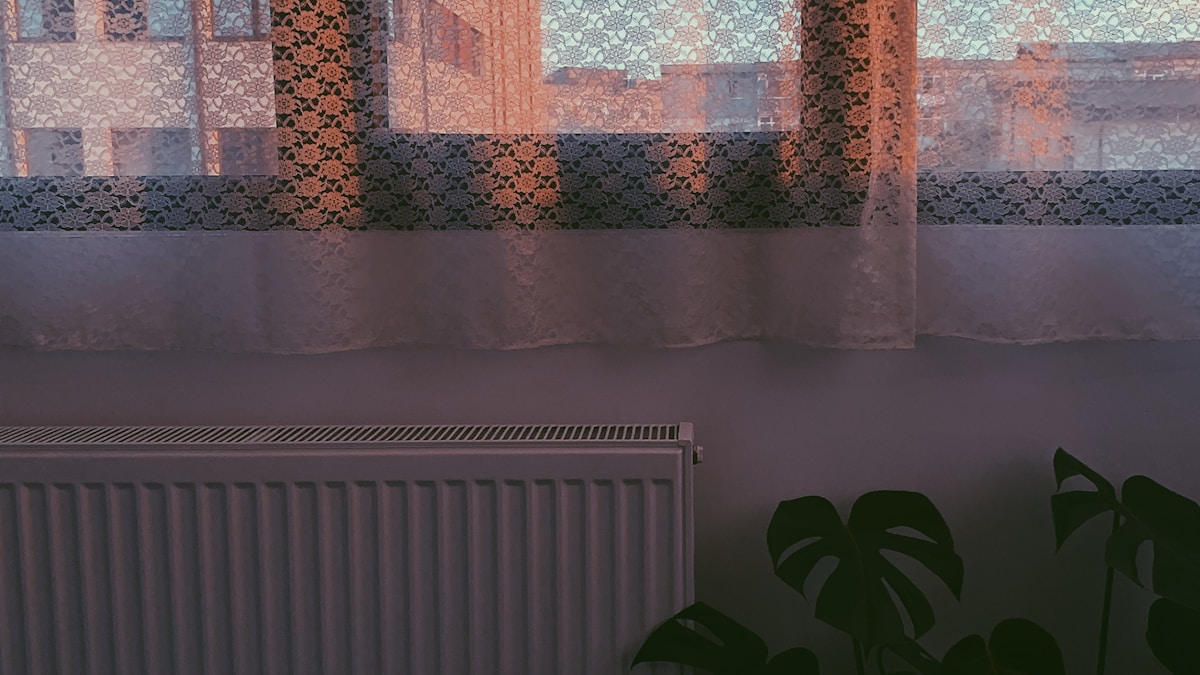
Heating season in Warsaw is when you discover whether last summer’s quiet radiators still work. A panel that stays cold, lukewarm, or hot only at the bottom is one of the most common English-speaking call-outs — and it is a different problem from a radiator leak.
This guide is for no heat / weak heat, not dripping valves. We coordinate plumbing and heating diagnostics in English; gas work inside a combi still needs a registered engineer.
First: combi boiler or district heat?
| Setup | What you have | Who fixes building-wide cold |
|---|---|---|
| Gas combi | Wall boiler in kitchen/utility; you control timing | Private engineer / landlord — unless shared gas riser |
| District heating (ciepłownia) | Radiators only; heat from building substation | Zarządca / heat supplier |
If you are unsure, look for a wall combi with a pressure gauge. No boiler and a seasonal heating notice in the lobby → district heat. Wrong path wastes a call-out — see also building administrator plumbing.
Quick diagnosis table
| Symptom | Likely cause | First step |
|---|---|---|
| One radiator cold at top, warm below | Airlock | Bleed that panel |
| One radiator fully cold | Closed TRV / stuck pin | Open TRV fully; remove head and free pin |
| All radiators cold; hot water OK (combi) | Heating path / timer / pump | Check thermostat, summer mode, error codes |
| All radiators cold; no hot water | Boiler lockout / power / gas | Combi not working |
| Whole building cold | District heat outage or delayed start | Ask neighbours → zarządca |
| Heat then dies; pressure falling | Leak or over-bleeding | Stop topping up endlessly — find leak |
How to bleed a radiator safely (odpowietrzanie)
You need a radiator key (klucz do odpowietrzników) — sold in every Castorama / Leroy Merlin — and a cloth or small cup.
- Turn heating on for 10–15 minutes so air collects at the top.
- Find the bleed screw on the upper corner of the cold radiator (square or slotted).
- Hold cloth underneath. Open slowly a quarter-turn. You should hear a hiss.
- When water runs steady (not sputtering), close the screw firmly — do not overtighten.
- On a combi, check the boiler gauge. Bleeding drops system pressure. Top up to ~1.0–1.5 bar cold via the filling loop, then close the loop fully.
Stop and call for help if: water will not stop, the screw will not close, you smell gas, or pressure falls again within hours (possible leak).
Bleeding is not the fix for a wet valve — that is a leak guide problem. Opening a bleed screw on a leaking radiator can flood the floor.
Thermostatic valves (TRV) that stick after summer
Warsaw flats often leave TRVs set low all summer. The pin under the plastic head can seize.
- Set the TRV to maximum (usually 5).
- If still cold, unscrew the head (hand-tight collar).
- Gently press the metal pin in the centre a few times so it springs back.
- Refit the head and retest.
Do not hammer the pin or force a seized wheel valve — broken pins mean a full valve swap and system drain.
Combi-specific checks
Before you assume every radiator needs bleeding:
- Room thermostat set above room temperature?
- Boiler in heating mode (not DHW-only / summer)?
- Pressure ≥ 1 bar? See combi boiler diagnosis.
- Error code on display? Photograph it — boiler error codes.
Hot water working with zero heating often means the diverter or heating zone valve — engineer territory.
District heating flats
You cannot “top up” a combi that does not exist. Typical expat confusion:
- September warmth outside — building may not have started the season yet.
- One staircase cold — substation or riser isolation; zarządca.
- Your flat cold, neighbours warm — local valves, air, or balancing — private plumber after admin confirms supply is live.
When to book English-speaking help
Request a visit when:
- Bleeding does not restore heat on two or more radiators
- Pressure drops after every top-up
- TRV heads are seized or leaking at the gland
- You need someone to explain admin vs private scope in English
- You are in a gated estate (Ursynów, Wilanów, Mokotów towers) and need timed access
Request help → with your district, heating type (combi brand or “district heat”), and photos of cold radiator tops and the boiler gauge if you have one. Or start from English-speaking plumber Warsaw.
Related guides
- Cold radiators triage (interactive) — symptom wizard + bilingual templates
- English-speaking heating repair
- Radiator leak shut-off steps
- Building administrator plumbing
Bottom line
Radiators not heating in Warsaw are usually air, a stuck TRV, low combi pressure, or a building heat schedule — not a mystery. Bleed carefully, match the fix to combi vs district heat, and call English-speaking coordination when pressure will not hold or the whole block needs the zarządca.
Book heating help in English →
Common questions
How do I bleed a radiator in a Warsaw flat?
Turn heating on briefly so air rises, then shut that radiator’s valve if you prefer slower flow. Hold a cloth under the bleed screw at the top corner, open a quarter-turn with a radiator key until hissing stops and water appears, then close firmly. Recheck combi pressure afterward.
Why is only one radiator cold?
Usually air, a closed TRV, a stuck pin under the thermostatic head, or sludge at the bottom of that panel. Bleed first; if still cold while neighbours’ rooms heat, book a plumber to free the valve or flush.
Is cold heating the zarządca’s job?
If the whole building or staircase has no heat on district heating, yes — contact the administrator. Private combi faults and single-flat radiators are usually your landlord’s or your responsibility.
When does Warsaw heating season start?
District heat typically runs roughly mid-September/October to April, weather-dependent. Combi flats control their own schedule — test early so you are not diagnosing on the first frost.