
Concealed cistern toilet in Warsaw — Geberit flush plate faults and fixes
Why does a concealed cistern toilet keep running in a Warsaw flat?
A concealed cistern toilet in Warsaw usually runs because the flush valve seal or fill valve inside the wall cistern is worn — often accelerated by medium-hard water scale — not because the wall-hung bowl itself is broken. The flush plate (Geberit Sigma, Delta, or similar) is a cover: lift or unclip it to reach the buttons and service ports, never force tiles. Constant trickle into the bowl, weak dual flush, or water on the floor at the frame mean internal seals, not a simple cistern lid fix like older Polish toilets. Turn off the toilet mini-stop if fitted, photograph the plate model, and note whether the leak is into the bowl or outside the frame. Renters should inform the landlord before opening the frame. Request English-speaking help for stuck plates, repeated running after seal swaps, or leaks that wet the ceiling below in Mokotów, Wilanów, Ursynów, and wider Warsaw.
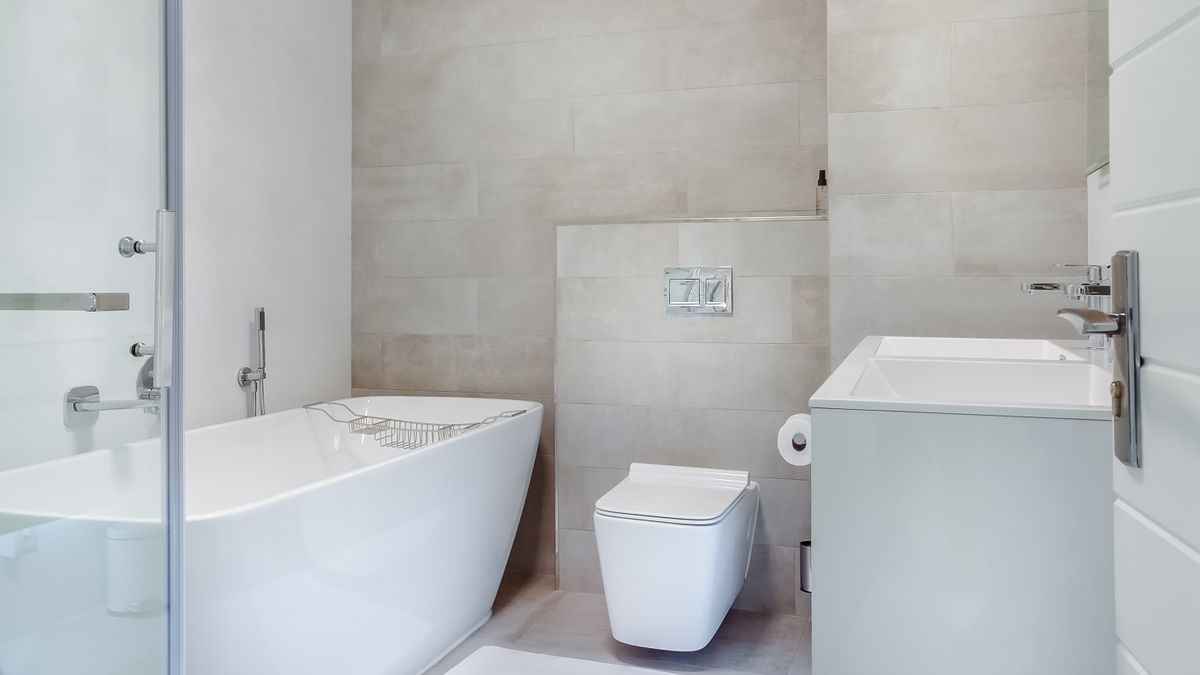
Renovated Warsaw bathrooms love wall-hung toilets and concealed cisterns (stelaż podtynkowy). They look minimal; they confuse expats when the bowl runs quietly, flushes weakly, or the flush plate feels loose.
This guide is for Geberit-style installs common in Wilanów, Ursynów, and Mokotów towers — not the visible cistern in toilet won’t flush guides.
How concealed cisterns differ
| Visible toilet | Concealed cistern |
|---|---|
| Ceramic cistern on the wall | Tank inside the wall or furniture unit |
| Flapper / arm inside lid | Flush valve cartridge behind plate |
| Easy to inspect | Access only via flush plate |
| Common in pre-2000 flats | Standard in post-2010 renovations |
The flush plate is not the mechanism — it is a switch cover. Most repairs happen behind the plate.
Symptom → likely cause
| What you notice | Likely fault | Urgency |
|---|---|---|
| Constant trickle into bowl | Worn flush valve seal / scale | Wastes water — fix soon |
| Weak or partial flush | Scale, stuck dual-flush buttons, low inlet | Functional issue |
| Plate buttons stuck | Lime behind buttons | Clean; replace if cracked |
| Water on floor at frame | Inlet leak, condensation, frame seal | Active leak — isolate |
| Hissing after flush stops | Fill valve not shutting | Seal or cartridge |
| Ceiling wet below bathroom | Frame or inlet leak | Urgent — see water from ceiling |
Safe first steps
- Locate the mini-stop for the toilet feed (often beside the frame or under the sink). Close clockwise if water is escaping the frame.
- Photograph the flush plate — brand (Geberit Sigma/Delta etc.) and button layout help parts ordering.
- Remove the plate carefully — most clip upward. Support it; do not yank on tiles.
- Look, do not flood — a small inspection hatch is normal; do not open sealed inspection panels unless you know the model.
- Note trickle vs flood — trickle = valve seal; flood = inlet or loose connection.
Do not break tiles or cut drywall to “find the tank” — that turns a seal job into a renovation claim.
Hard water in Warsaw (why seals fail faster)
Medium-hard supply — see hard water guide and hardness by district — builds scale on rubber seals and valve seats. A cistern that ran fine for two years after renovation may start trickling in year three.
Descaling products must be manufacturer-safe — aggressive acid on wrong parts damages plastics.
Renters, landlords, and admin
- Private fixture inside the flat → usually tenant or landlord per lease
- Leak through ceiling to neighbour → involve admin early — building administrator guide
- Who pays matrix — who pays insight
Get landlord approval before removing built-in panels in rented flats.
When to request English-speaking help
Book coordination when:
- The flush plate will not release without force
- Running continues after a seal you replaced
- Water appears outside the frame or on the ceiling below
- You need the fault explained in English for a landlord abroad
- Dual-flush works intermittently and you cannot identify the cartridge model
Request help → with photos of the plate, any error lights (electronic plates), and whether water is inside the bowl only or on the floor. Overview: English-speaking plumber Warsaw.
Related guides
Bottom line
Concealed cistern toilets in Warsaw look high-end but fail like any other — usually at seals and scale behind the flush plate. Remove the plate gently, stop active leaks, and call English-speaking help before tiles get damaged chasing the tank.
Common questions
How do I remove a Geberit flush plate?
Most Sigma/Delta plates unclip upward or swing aside after gentle pressure at the bottom edge — no tools. If it will not move, stop — forcing breaks clips and tile grout.
Is a running concealed toilet my problem or the landlord's?
Usually the private fixture inside your flat unless the leak is on a shared stack. Check your lease; running water still wastes money even when someone else pays repair.
Can I fix a concealed cistern myself?
Cleaning scale and replacing accessible seals is sometimes DIY if you know the model. Misaligned frames, inlet floods, or leaks through the wall need a plumber.
Does Warsaw hard water affect concealed cisterns?
Yes — scale on flush valve gaskets and fill valves is a common reason for constant trickle. See our hard water guide for prevention context.