Washing machine leaking in Warsaw — inlet hoses and drains
Why is the washing machine leaking in a Warsaw flat?
A washing machine leak in Warsaw is often a failed inlet hose, loose drain connection, or door seal — not a broken mains pipe. Shut off the hot and cold mini-valves behind the machine, unplug if water is near the socket, and note whether water appears during fill, wash, or drain cycles. Burst inlet hoses are the most common sudden flood in kitchen niches; replace both hoses if one is old. Drain hoses must clip to the siphon at the correct height — wrong setup causes siphoning and overflow onto the floor. If water continues with supplies closed, the fault may be inside the appliance. Call a plumber for wall valves, traps, and connections; call an appliance engineer for internal tub or pump leaks. Request English-speaking help with your district when valves or drainage need repair — frequent in Wilanów and Ursynów kitchens with compact utility niches.
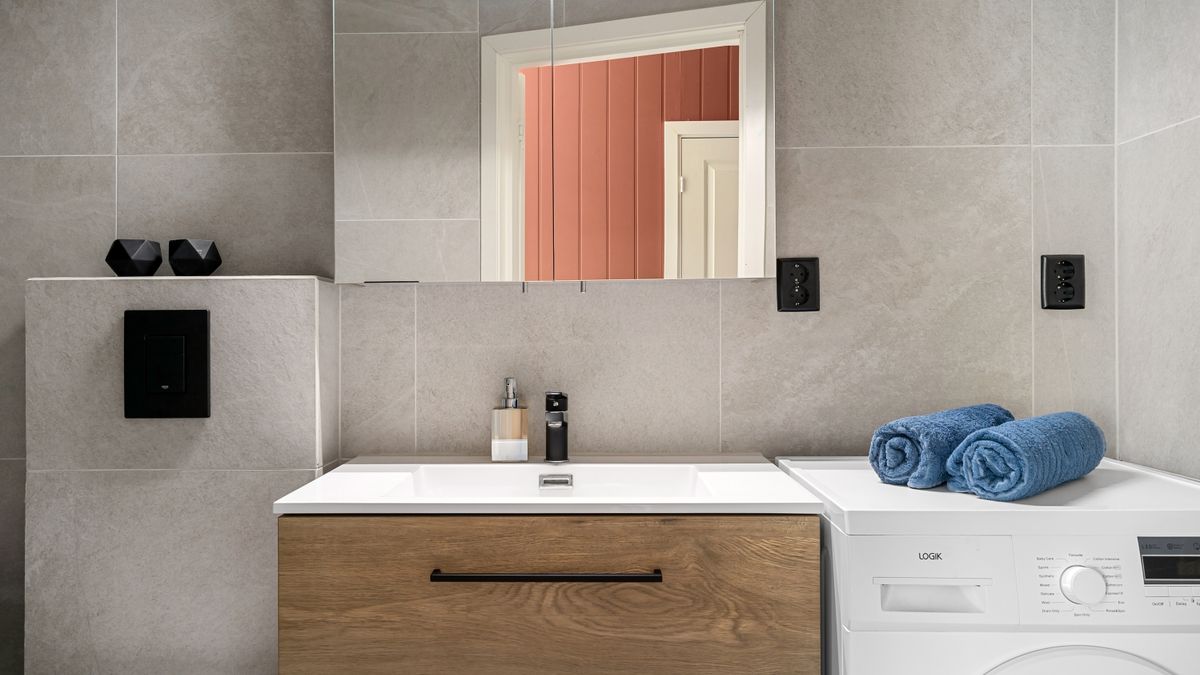
Water under the washing machine is a common call-out in Warsaw flats — especially where machines sit in kitchen niches with cramped hoses. Dishwashers use a similar cold-feed and siphon pattern — see dishwasher connection. Before you assume a burst pipe, run through these checks.
Shut off water to the machine
Locate the hot/cold mini-valves behind the machine (or under the kitchen sink). Close both, then run a short drain/spin cycle if power is safe — reduces further spill.
Unplug the machine if water is near the socket.
Top causes
Inlet hose failure
Rubber or braided hoses crack at the ferrule. Replace both if one failed — the other is often the same age. This is the #1 sudden flood cause we see in Wilanów kitchens.
Door seal (front loaders)
Hair and grit tear the rubber gasket. Small tears leak during spin. Clean the groove; replace the seal if damaged.
Drain hose connection
Must be clipped to the siphon or standpipe without sitting submerged. Wrong height causes siphoning and overflow — common after DIY installs.
Internal pump or tub seal
If leak continues with water off, the fault may be inside the machine — appliance engineer, not always a plumber. Still worth a plumber visit if the leak is at wall connections.
Blocked standpipe
Water backs out during drain cycle — feels like a machine leak but is a drain issue.
When to call a plumber
- Hoses or valves at the wall need replacement
- You need new siphon connections or trap work
- Water leaked into the neighbour’s ceiling — treat as emergency
- You’re unsure whether the leak is machine vs plumbing
Request help in English → with photos of the back of the machine and the connection point.
Prevention
- Replace inlet hoses every 5 years or at move-in
- Use steel-braided hoses where possible
- Don’t overload — excess vibration loosens fittings
Related services
Full plumbing coordination: English-speaking plumber Warsaw
Bottom line
Most washing machine leaks in Warsaw are hoses or drain setup — fast fixes if caught early. Shut off, identify the source, then book English-speaking help if wall plumbing needs work.
Common questions
How often should I replace washing machine hoses?
Every five years or at move-in. Use steel-braided hoses where possible in Warsaw apartments.
Is a leaking washer a plumber or appliance job?
Wall valves, traps, and standpipes are plumbing. Internal drum or pump leaks usually need an appliance technician.
Can a blocked drain look like a washer leak?
Yes. If water appears only on the drain cycle, check the standpipe and siphon before replacing the machine.