
Dishwasher connection in a Warsaw apartment — install, leak, and hard water
How do you connect a dishwasher safely in a Warsaw apartment?
A dishwasher in a Warsaw apartment needs a dedicated cold-water mini-valve or tee, a steel-braided inlet hose, and a drain hose clipped high into the kitchen sink siphon or dishwasher stub — never a loose hose in the sink bowl as a permanent setup. Shut off the local stop and the flat main before cutting into pipework. Leaks usually come from the inlet washer, a loose trap stub, or a missing air-gap loop that lets the machine siphon dirty water back. Warsaw’s medium-hard water means you must keep the salt reservoir filled on European machines or scale will kill the heater and spray arms. Renters should use reversible connections and get landlord approval before drilling cabinets. Appliance internal faults are an appliance engineer’s job; wall valves, traps, and under-sink joins are plumbing. Request English-speaking help for new installs, flooded cabinets, or pressure drops after hookup in kitchen niches across Wilanów, Ursynów, Mokotów, and wider Warsaw.
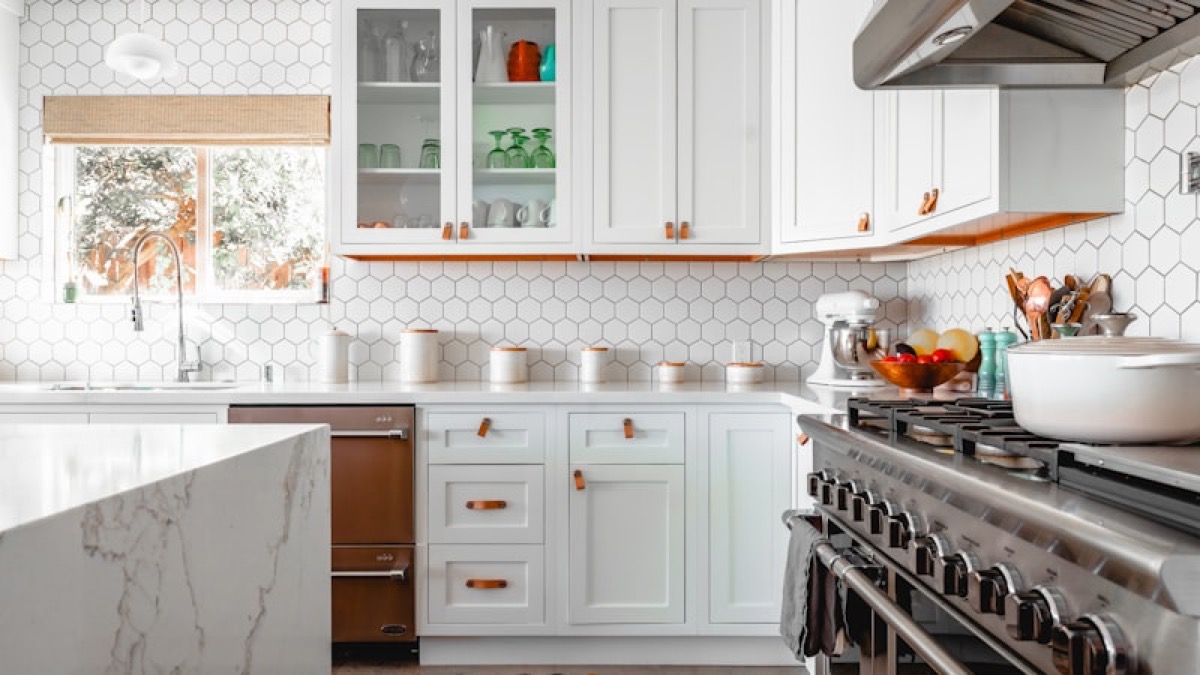
IKEA delivery day ends with a cardboard box and a kitchen niche that was never designed for a dishwasher. Dishwasher connection in Warsaw is a frequent English request — and a different job from a washing machine leak, even though both live under the same counter.
We coordinate the plumbing side: cold feed, shut-offs, drain into the siphon, and leak-free joints. We do not sell machines or claim brand warranties.
What a correct Warsaw install looks like
| Connection | Correct setup | Common failure |
|---|---|---|
| Water | Cold feed only via mini-valve or quality tee | Hot-feed mistakes; no isolator |
| Hose | New steel-braided inlet with fresh washer | Old rubber hose reused from previous flat |
| Drain | Clipped to dishwasher stub on sink siphon, high loop | Hose shoved into sink; siphoning; floods |
| Power | Dedicated socket per manufacturer | Extension leads behind the unit |
| Space | Side panels and plinth clear for service | Machine jammed flush with zero hose bend radius |
Always isolate water before work — shut-off valve locations.
New connection — plumber steps (summary)
- Confirm landlord approval if you rent.
- Shut cold stop under the sink; open a tap to depressurise.
- Fit an isolator on a tee or use an existing dishwasher valve.
- Connect the inlet hose hand-tight plus a gentle spanner finish — do not crush the washer.
- Attach the drain hose to the dishwasher connection on the trap (often a capped stub). Create a high loop under the worktop so dirty water cannot siphon back.
- Run a short rinse cycle. Watch every joint for 10 minutes with a dry paper towel underneath.
If the sink gurgles or backs up when the machine drains, the shared trap or branch may already be restricted — clear that before blaming the appliance (blocked drain guide).
Leak triage — where water usually comes from
| When water appears | Likely source | Who fixes |
|---|---|---|
| During fill | Inlet hose, washer, mini-valve | Plumber |
| Mid-cycle on floor in front | Door seal / spray | Appliance tech |
| Only on drain | Drain hose, siphon stub, shared trap | Plumber first |
| Inside cabinet, slow | Loose trap, micro-leak on tee | Plumber |
| Neighbour below complains | Your leak or building stack | See who pays |
Shut the dishwasher isolator immediately. If water continues with the machine valve closed, the fault may be the sink cold feed itself — treat as a pipe leak.
Hard water, salt, and scale (Warsaw-specific)
Warsaw supply is typically medium-hard — see the hardness finder for your district’s °dH and dishwasher menu setting, plus hardness by district and the hard water guide. European dishwashers expect:
- Regeneration salt in the base reservoir
- Correct water-hardness setting in the machine menu (often °dH)
- Rinse aid topped up
Skipping salt is the fastest way to chalky glasses and a dead heater element. Filters and jug pitchers on the drinking tap do not protect the dishwasher — it draws from the cold branch before your faucet filter.
Renters vs owners
- Renters: Prefer reversible tees and keep original capped stubs. Photograph “before” pipework. Ask who pays if the machine was supplied with the flat.
- Owners / long lets: Dedicated isolators and labelled valves save the next emergency.
- New-build niches (Wilanów, Ursynów): Often pre-plumbed — still verify the stub is not sealed with paint or debris.
When to request English-speaking help
Book plumbing coordination when:
- There is no isolator and you need a safe tee
- The cabinet flooded and joints need remaking
- Drain and sink interact (shared blockage)
- You want the install checked before the appliance warranty clock matters
- You need English explanations for a landlord abroad
Request help → with your district, photos under the sink, and whether this is a new install or an active leak. Service overview: English-speaking plumber Warsaw.
Related guides
Bottom line
Dishwasher connections in Warsaw succeed when the cold feed has a real shut-off, the drain uses the siphon stub with a high loop, and salt matches local hardness. Fix leaks at the hose and trap first; call an appliance engineer only after the plumbing side is dry.
Book dishwasher plumbing help →
Common questions
Can I install a dishwasher myself in a rented Warsaw flat?
Only if the kitchen already has isolators and a drain stub and you use reversible fittings. Cutting copper or plastic without landlord approval risks deposit deductions. When in doubt, book a plumber.
Why does my dishwasher smell or leave standing water?
Often a sagging drain hose, blocked filter, or shared sink trap that is partly clogged. Clean the filter, check the high loop, then see our blocked drain guide if the sink also backs up.
Is dishwasher salt required in Warsaw?
Yes on most European machines — municipal water is medium-hard. Empty salt warnings are not optional marketing; scale damages the heater element.
Plumber or appliance technician?
Wall valves, tees, traps, and silicone under the counter = plumber. Door seal, pump, electronics, and spray-arm faults = appliance engineer.