
Expat guide to home maintenance in Warsaw — plumbing, heating, and building basics
What should expats know about home maintenance in a Warsaw apartment?
Expat home maintenance in Warsaw starts with four essentials: know where your water shut-offs are, save your building administrator and landlord contacts, identify whether you have a combi boiler or district heating, and understand that hard Warsaw tap water affects fittings and kettles. Most day-to-day plumbing is your flat's branch lines — traps, flex hoses, toilets — while shared risers, stacks, and mains are often the zarządca's job. Use English symptom guides for leaks, no hot water, blocked drains, and emergencies rather than guessing in Polish under stress. Winter means frozen pipe risk on loggias and external walls; autumn is the time to test heating and radiator valves. Water quality is safe to drink in most districts but limescale is normal — filters are optional comfort, not panic. Finding an English-speaking plumber with clear call-out pricing saves repeat visits in apartment blocks where access and admin coordination matter. Bookmark cluster guides on our blog for finding help, emergencies, boilers, leaks, drains, and water quality.
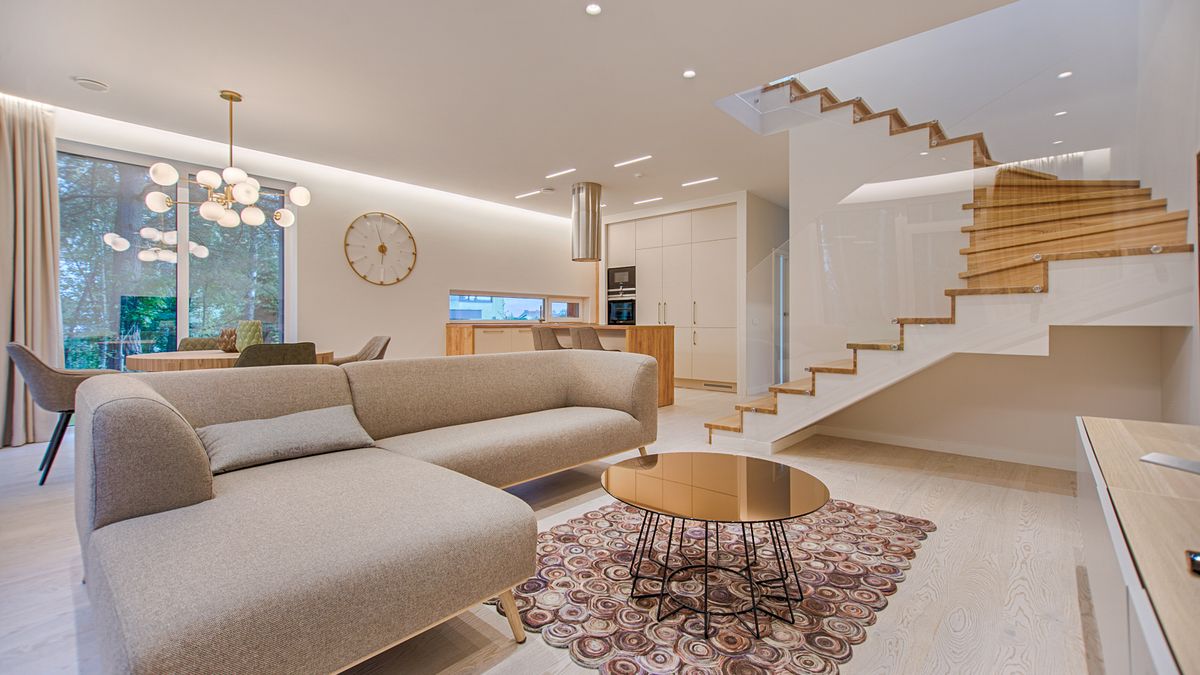
You have the keys, the IKEA delivery slot, and a notice board full of Polish you have not decoded yet. Expat home maintenance in Warsaw is not mysterious — it is just different from what you knew in London, Dublin, or Berlin. Blocks have shared pipes. Heating might be a wall combi or city district heat. The person who fixes your leak might be you, your landlord, a private hydraulik, or the zarządca — sometimes all four in one week.
This pillar guide is the English map. Bookmark it, then dive into symptom-specific posts when something breaks.
The four things to do in your first week
Before the first drip becomes a crisis:
- Find shut-offs — flat main, under sinks, toilet, washing machine. Water shut-off valve guide and the interactive plumbing anatomy map.
- Photograph administrator details — hall notice board: zarządca name, phone, 24h emergency if posted.
- Identify heating type — combi on the kitchen wall? District heat radiators with no boiler? Label in your phone notes.
- Save landlord / agency contact — and ask who pays for what (flex hoses, cistern parts, call-out fees). Decode Polish bill lines with the czynsz / media decoder.
Optional but smart: run water in every drain once, test hot water pressure, and note your district (Mokotów, Ursynów, Wilanów, Wola, Śródmieście, Praga) for faster plumber dispatch.
Warsaw apartment types — what you are living in
Warsaw housing for expats usually falls into:
Post-2000 estates (Ursynów, Wilanów, Mokotów towers) — PVC and PEX plumbing, gas combi boilers, gated access, formal admin hours. Predictable systems; access rules slow trades.
Renovated pre-war and 1960s–80s blocks (Śródmieście, Żoliborz, parts of Wola) — mixed pipe ages, chrome and copper risers, sometimes district heat. More surprises behind tiles.
Micro-apartments and new-build studios — compact combis, filter-friendly installs, thin walls — neighbour notification matters for leaks.
Houses in city fringe (Wawer, Wesoła) — more owner responsibility, fewer shared stacks, still hard water.
Your maintenance playbook shifts slightly with each — but shut-offs and admin contacts are universal.
Who fixes what — landlord, zarządca, you
Polish blocks split responsibility between private flat and communal building.
| Issue | Usually who |
|---|---|
| Dripping kitchen tap, flex hose | You or landlord (lease) |
| Blocked sink trap in your flat | You first, then plumber |
| Leak on shared riser / stack | Zarządca + plumber |
| No hot water — whole building | Admin / district heat supplier |
| No hot water — your combi only | You — private gas-safe engineer |
| Sewage smell — multiple flats | Admin — stack vent or blockage |
| Burst pipe in your branch | Urgent plumber; notify admin if riser |
| Water meter or main building valve | Admin |
Full English breakdown: building administrator vs private plumber.
Golden rule: If neighbours share the symptom, call admin first. If only your flat, start private — but tell admin when ceilings below or communal areas are affected. Water coming through your ceiling from above has its own playbook: water from the ceiling.
Plumbing essentials — leaks, valves, emergencies
Shut-off valves
Every expat should know three levels:
- Local — under sink, toilet, appliance
- Flat main — hall cupboard, bathroom cabinet, near door
- Building — admin or security; sometimes basement
Practice turning the flat main once when nothing is wrong. Stiff valves that snap in emergencies are a Warsaw classic.
Guide: water shut-off valves in Warsaw.
Leaks — slow vs burst
- Slow weep — bucket, photo, same-day plumber often fine
- Spray or gush — shut off immediately, neighbour below, URGENT
Leaking pipe in a Warsaw apartment | Burst pipe — first steps
Emergencies
Active flooding, sewage back-up, water you cannot stop — not “wait until Tuesday.”
Emergency plumber in Warsaw — and our emergency cluster for related posts.
More leak guides: dripping tap, shower leak, washing machine leak, radiator leak.
Browse all: leaks cluster.
Heating and hot water — combi vs district
Wall-mounted gas combi (common in newer flats)
One unit does radiators/underfloor and instant hot water. You maintain pressure (~1–1.5 bar), bleed radiators when needed, and call a gas-safe engineer for internal faults.
Key guides:
- Combi boiler not working
- No hot water
- Boiler error codes
- Low water pressure — weak flow but water still runs
- No water at all — dry taps; building outage vs private fault
Cluster: hot water & boiler.
Do not open the boiler casing. Do photograph error codes before reset.
District heating (ciepłownia)
Common in older central blocks — no flat boiler. Radiators fed from city network roughly October–April (weather-dependent). You control thermostatic valves on radiators; building or supplier handles plant failures.
If whole building radiators cold in season — admin or supplier, not your combi engineer.
Seasonal radiator tasks
- Autumn — test heating before first cold night; bleed air from top radiators if gurgling (full radiator heat guide)
- Winter — do not cover radiators with long curtains; keep combi pressure steady
- Spring — note any valves that leaked over winter for summer repair
Water quality — safe, hard, filters
Warsaw tap water meets EU drinking standards in virtually all districts expats rent in. Taste varies; limescale (hard water) is normal — white deposits on kettles and shower glass, not a health crisis.
Guides:
- Is Warsaw tap water safe to drink?
- Brown tap water after pipe work
- Hard water in Warsaw apartments
- Tap water filters, under-sink filters, and whole home filtration
Cluster: water quality.
Filters are comfort for taste and scale reduction — not mandatory for safety. Landlords rarely object to reversible under-sink installs if you ask.
Drains and bathrooms
Day-to-day:
- Hair in shower traps — remove monthly
- Grease in kitchen — scrape pans, not the sink
- Smell after travel — run water in unused traps 30 seconds
Problem guides:
Cluster: drains.
Multiple fixtures gurgling or smelling together → zarządca, not a third bottle of drain gel.
Winter prep — frozen pipes and burst risk
Warsaw winters bite. Pipes on unheated loggias, in storage rooms, or along external walls freeze. Thaw can split copper and flex hoses.
Before cold:
- Know shut-offs
- Disconnect garden hoses if applicable; drain outdoor taps in houses
- Keep minimum heating in empty rooms when you travel
- Insulate exposed runs where landlord allows
During freeze warnings:
- Drip trickle from vulnerable taps only if landlord approves — Polish advice varies
- Open cupboard doors under sinks on external walls
Guides: frozen pipes in Warsaw winter | burst pipe response
Finding English-speaking help
You do not need fluent Polish to maintain a flat — you need clear channels when something fails.
Options:
- Landlord’s hydraulik — ask if English on site is possible
- Direct search — Google, Maps, expat groups (verify every time)
- Coordination service — describe in English, get English replies and on-site communication
What to ask before booking:
- Call-out fee and hourly rate — see plumber cost in Warsaw
- District coverage
- VAT invoice (faktura)
- Shared riser experience
Full process: English-speaking plumber in Warsaw.
Cluster: finding help.
Request help through Warsaw Home Help with district, photos, and symptom — we focus on plumbing because that is where language gaps hurt most. Service overview: plumber Warsaw | about us.
Seasonal maintenance checklist
Autumn (September–October)
- Test heating / combi — error codes early, not first frost night
- Bleed radiators if airlocked
- Check flex hoses under sinks and toilet — replace if bulging (landlord job often)
- Locate and exercise shut-off valves
- Save admin emergency number on phone
Winter (November–February)
- Monitor combi pressure monthly
- Watch loggia pipes in deep freeze
- Run unused drains if you travel at Christmas
- Know emergency plumber steps
Spring (March–May)
- Note radiator valves that wept — schedule repair
- Clean shower traps and basin overflows
- Descale kettle or filter cartridge if used
Summer (June–August)
- Smell from drains after holidays — refill traps
- Check washing machine hose for cracks before heavy laundry season
- Hard water buildup on showerheads — vinegar soak
District differences — brief notes
Warsaw is one city, many building eras:
Mokotów — mix of towers and older stock; traffic affects plumber arrival; shared risers in older sections. Mokotów area page.
Ursynów — high combi density, estate access rules. Ursynów.
Wilanów — newer installs, dry traps after travel common. Wilanów.
Śródmieście — older risers, district heat pockets, burst pipe history in winter. Śródmieście.
Wola / Praga — renovation wave; mixed pipe ages; verify admin vs private fast on stack smells.
District affects access and building age, not whether water is safe. Mention yours when booking — it speeds dispatch.
Apartment life cluster — living well, not just fixing
Beyond breakdowns:
- Understand noise and renovation rules in your statute — drilling hours matter
- Keep photos of meter readings and condition at move-in
- Forward admin emails through translation if needed — dates for heating switch-on, facade works affecting scaffolding access
More lifestyle-adjacent maintenance: apartment life cluster.
Documentation habits that save money
When anything plumbing-related happens:
- Photo before and after
- Date-stamp messages to landlord and admin
- Ask for English summary from plumber for reimbursement
- Keep faktury (VAT invoices) in one email folder
Disputes between tenant, landlord, and wspólnota drag on without paper trails. English notes you can forward beat verbal promises in the stairwell.
Common expat mistakes — and how to avoid them
Calling at midnight when morning would do. If water is shut off and damage is in a bucket, weekday rates beat emergency surcharges. See plumber cost in Warsaw for when urgency is real.
Skipping the neighbour below. Ceiling claims in Polish blocks move faster when both parties document early. A two-minute knock saves weeks of dispute.
Assuming the landlord’s plumber speaks English. Always confirm on-site language before sharing your address — or use a coordination service from the first message.
Ignoring combi pressure until winter. Low pressure lockouts spike in November. Check the gauge monthly; link to low water pressure.
Using three chemical drain bottles. Old PVC in Śródmieście tenements does not thank you. Mechanical cleaning or one professional visit beats corroded fittings.
Not knowing heating type. Calling a combi engineer for a district-heat building wastes a day. Identify your system in week one.
Move-in inspection checklist for renters
Before furniture covers everything:
- Run every tap — hot and cold, pressure and colour
- Flush every toilet — weak flush may mean cistern wear
- Open under-sink cupboards — smell, stains, flex hose condition
- Find flat main shut-off and photograph handle position
- Photograph boiler data plate and pressure gauge reading
- Note administrator phone from hall board
- Test washing machine valves and dishwasher connection for leaks (dishwasher hookup)
- Check radiator valves for weeping at both ends
Send a dated email to landlord with any issues found. Future you inherits fewer surprises.
What not to panic about
- White limescale — normal; clean or filter
- Brief heating gurgle after summer — bleed radiator once
- Admin slow to answer on non-urgent items — persist in writing
- One slow drain — DIY once, then plumber
What to panic about (calmly)
- Gas smell — leave, ventilate, emergency gas
- Active flooding you cannot stop — admin + urgent plumber
- Sewage backing up through floor drain — admin + urgent
- Ceiling bulging from water above — neighbour + admin + shut off if you can reach source
How our blog clusters fit together
Use this page as the hub. When something specific breaks, jump to:
| Cluster | When to use |
|---|---|
| Finding help | Choosing a plumber, costs, English |
| Emergency | Floods, urgent leaks, shut-off stress |
| Hot water & boiler | Combi, pressure, codes, no heat |
| Leaks | Drips, bursts, appliances, radiators |
| Drains | Blockages, smells, toilets |
| Water quality | Drinking, hardness, filters |
| Apartment life | Broader living guides |
Symptom posts beat generic Reddit threads because they are Warsaw-specific — zarządca, combi brands, block types, district access.
Bottom line
Expat home maintenance in Warsaw is learning three systems: your flat’s fixtures, your building’s shared pipes, and your heating type (combi or district). Master shut-offs, admin contacts, and English guides per symptom — then winter, travel, and hard water are manageable annoyances, not crises.
You do not have to speak Polish to keep a dry, warm flat. You need the right guide at the right moment and someone who explains the quote in English when the pressure is on.
Request English-speaking plumbing help → — services | about | finding help cluster
Common questions
Who is responsible for plumbing in a Warsaw rental flat?
Usually you maintain day-to-day fixtures inside the flat; landlord covers major items per lease; zarządca handles communal risers, stacks, and building mains. Always check your umowa najmu.
Do I need a Polish-speaking plumber?
Not necessarily — several trades work in English on site, and coordination services arrange visits with English from the first message. Clarity matters more than nationality.
When does the heating season start in Warsaw?
City heating networks typically run roughly October to April, weather-dependent. Flats with own combi boilers control timing themselves.
Is Warsaw tap water safe to drink?
Yes in most districts — it meets EU standards. Taste and limescale vary; filters improve comfort but are not required for safety.
What should I do before winter?
Locate shut-offs, insulate exposed pipes on loggias, bleed radiators if on combi, test heating early, and save emergency contacts.
Where do I find English plumbing guides for Warsaw?
Our blog clusters cover finding help, emergencies, boilers, leaks, drains, apartment life, and water quality — linked from this guide.